
What I Learned About AI Adoption in Southeast Asia at Bali Tech Week
Last week, I had the pleasure of speaking at Bali Tech Week, where I shared what we’ve learned building Riley in Silicon Valley and how we’re helping businesses make AI more reliable through better data infrastructure.
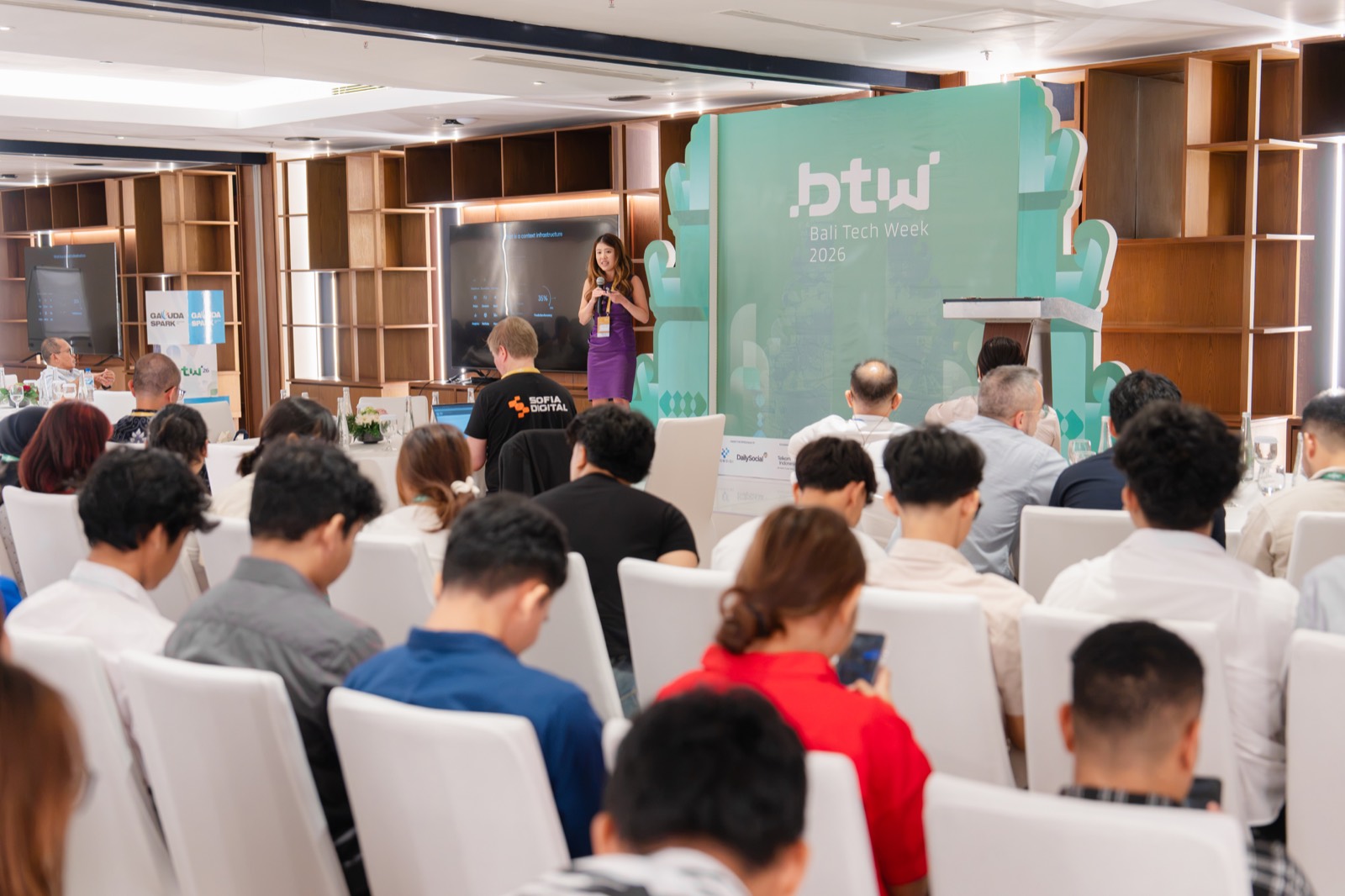
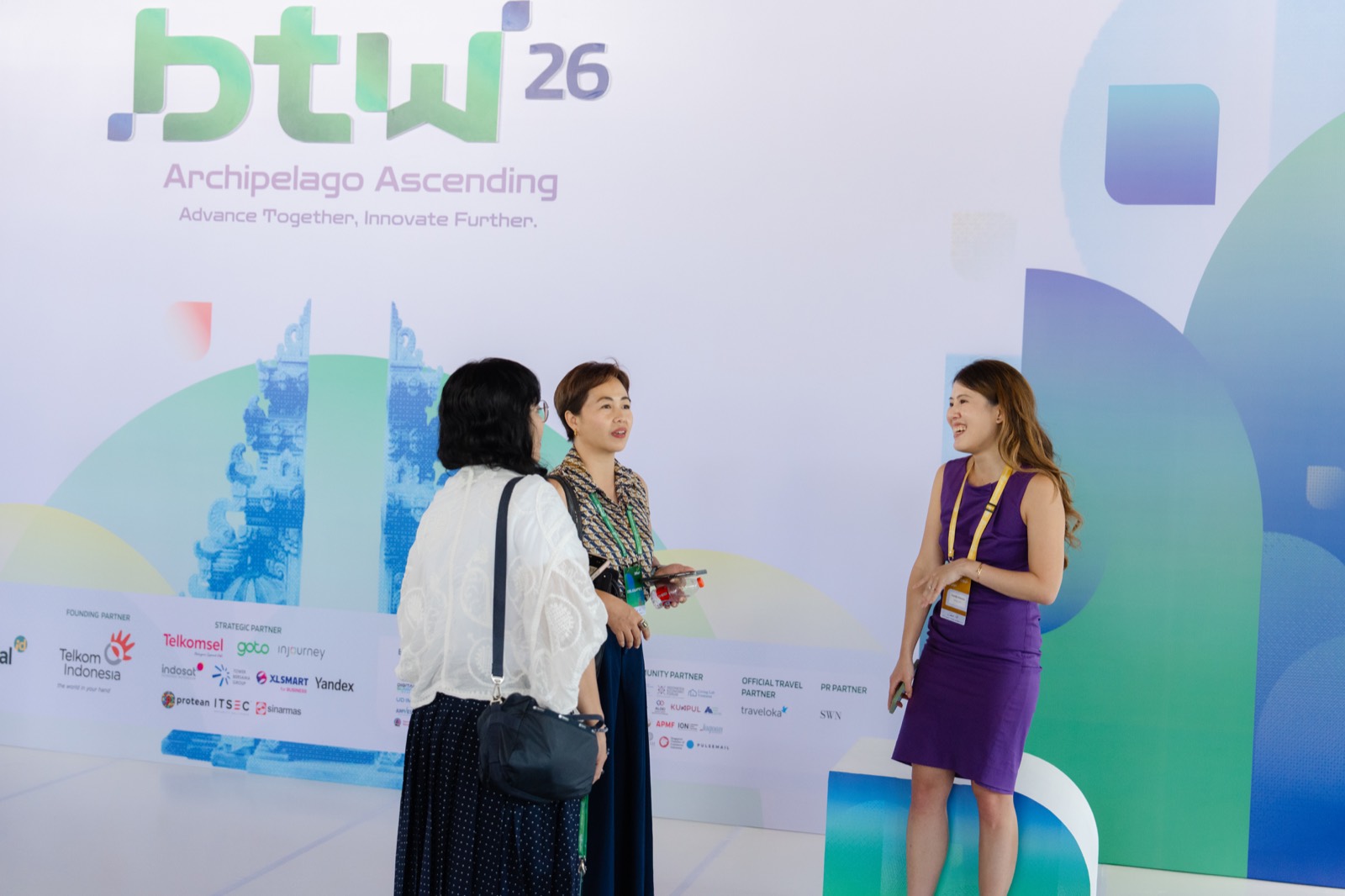
I also had the opportunity to meet with business leaders working on AI initiatives across Indonesia and Southeast Asia. Having grown up in Indonesia, it was particularly exciting to see how much the technology ecosystem has evolved and how people are thinking about AI today.
Here are four things I learned from my conversations throughout the week.
1. Indonesia has no shortage of data
With over 280 million people and widespread adoption of mobile technology, Indonesia generates an enormous amount of digital data every day.
People are shopping online, making digital payments, communicating through WhatsApp, and interacting with businesses through mobile applications.
Every one of these interactions creates data that businesses can potentially use to better understand their customers and improve their products.
However, having a lot of data doesn’t necessarily mean businesses know what to do with it.
For example, a business might have millions of customer transactions stored in a database, customer feedback in WhatsApp conversations, and sales information in a CRM. While each system contains valuable information, it’s difficult to combine them to understand the full customer journey.
This is a problem I’ve encountered throughout my career working with data, and it’s one of the reasons we started Riley. The next opportunity truly isn’t necessarily collecting more data, but making better use of the data businesses already have.
2. People are using AI for everything, but no single model is winning
One thing I found interesting was how many people I met were already building AI into their everyday lives.
People shared how they use ChatGPT and other AI assistants to plan vacations, create running coaches for an upcoming 10K race, research products, and help with everyday decisions.
What surprised me was that people weren’t necessarily loyal to a particular model. Some preferred ChatGPT, while others used Gemini, Claude, open source or several different tools depending on what they needed.
From my conversations, I don’t think there’s a clear winner yet.
Personally, from building AI models since 2011, and one thing I’ve learned is that the technology will continue to change. The models we’re using today will likely look very different a few years from now. It’s why I believe businesses should focus less on choosing one model and more on ensuring that whichever model they use has access to accurate, relevant information about their organization.
3. Businesses are concerned about how AI processes and stores their data
While people seem increasingly comfortable using AI for personal tasks, I heard very different concerns when discussing AI adoption with businesses.
One of the biggest questions was around data security.
Where does the data go when you connect it to an AI model? Is it stored? Can other people access it? How do you ensure that sensitive customer or financial information isn’t exposed? How does AI know whether the data it’s analyzing is actually correct?
Even if the AI model is extremely powerful, it can still produce an inaccurate answer if it doesn’t understand how these records relate to each other. This is why simply connecting business applications to an LLM isn’t always sufficient.
Businesses need a way to ensure that their data is accurate, connected, and continuously updated, while maintaining control over how that information is accessed and used.
4. Building the right data infrastructure makes AI much more useful
Every single company I spoke with has valuable information scattered across CRM, customer conversations, financial records, and product analytics, and these systems rarely communicate with each other. They’re realizing that simply connecting LLMs to these systems isn’t enough, because the models still have to piece together relationships across different data sources every time they’re asked a question, often producing summaries without a complete understanding of the business.
Building the infrastructure to continuously connect, clean, and maintain these relationships allows AI to reason with more accurate and consistent business context. As AI models become increasingly powerful, I believe the quality, connectivity, and reliability of business data will become an even bigger differentiator in how effectively organizations can use AI.

Bringing Riley Back to Indonesia
One of the highlights of the week was seeing Riley featured in Indonesian national news, including ANTARA News and Kompas.
As an Indonesian founder who has spent much of my career in Silicon Valley, it was especially meaningful to share what we’re building with the technology community back home.
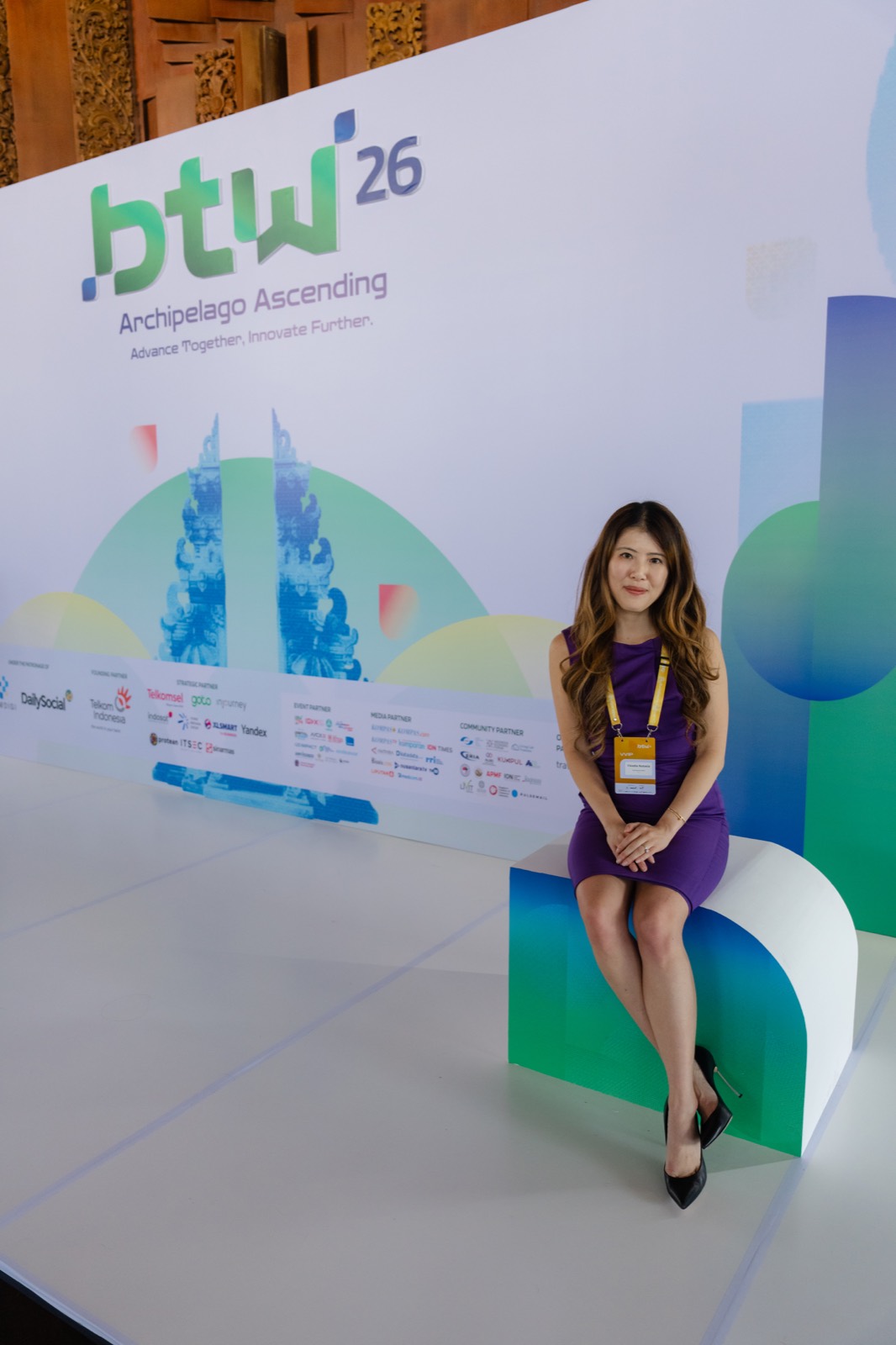
My biggest takeaway from Bali Tech Week is that Southeast Asia has tremendous opportunities to benefit from AI. There’s already a large amount of data, growing consumer adoption, and businesses that are actively exploring how to incorporate AI into their operations.
The challenge now is making sure businesses have the right infrastructure to use AI securely and turn their existing data into meaningful business results.
I’m grateful to everyone who took the time to share their perspectives and excited to continue building Riley with the people and organizations we met throughout the week.
About the author
Claudia is the CEO & Co-Founder of Riley AI. Prior to founding Riley AI, Claudia led product, research, and data science teams across the Enterprise and Financial Technology space. Her product strategies led to a $5B total valuation, a successful international acquisition, and scaled organizations to multi-million dollars in revenue. Claudia is passionate about making data-driven strategies collaborative and accessible to every single organization. Claudia completed her MBA and Bachelor degrees at the University of California, Berkeley.